0
Liberty Caps Mushrooms (Psilocybe semilanceata): An Educational and Harm-Reduction Guide
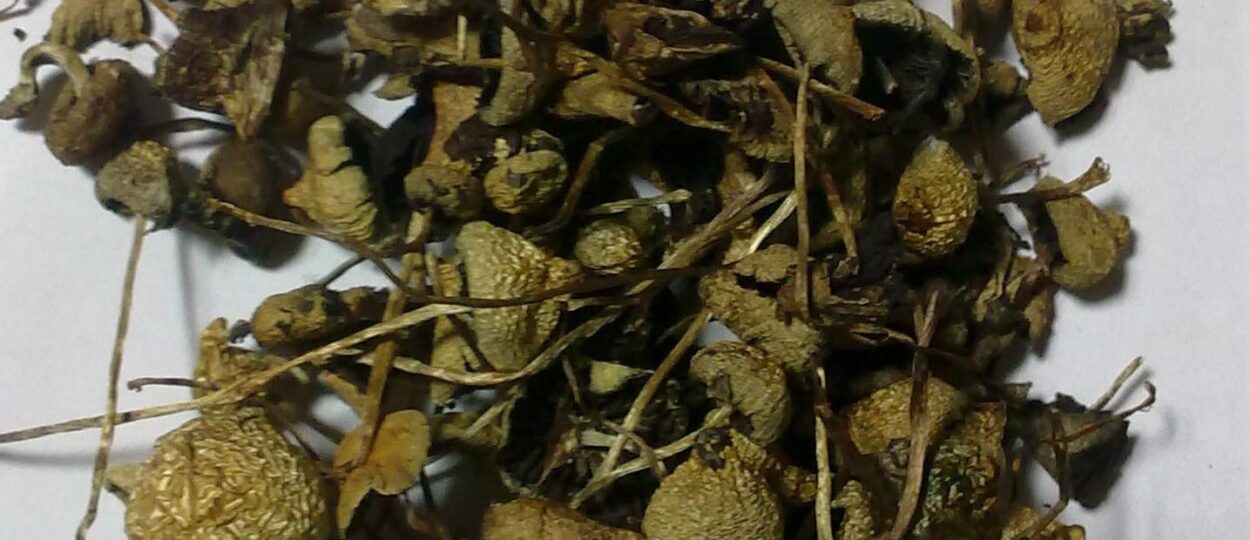
Liberty Caps Mushrooms, scientifically known as Psilocybe semilanceata, are one of the most widely recognized naturally occurring psychedelic mushroom species. Known for their distinct conical caps and high psilocybin content, they have played a historic role in human culture, research, and modern discussions about mental health. Liberty Caps Mushrooms Educational Guide.
This educational guide provides a comprehensive overview of what Liberty Caps are, how they are identified, their effects, potential benefits, risks, legal considerations in the UK and abroad, and best practices for safety and harm reduction.
This content is for informational purposes only, not medical or legal advice.
What Are Liberty Caps Mushrooms?
Liberty Caps belong to the genus Psilocybe, a group of fungi known for naturally producing the psychoactive compounds psilocybin and psilocin. They typically grow in temperate climates, especially in grasslands, meadows, and grazing pastures across Europe, North America, and parts of Asia.
They are easily identified by their:
- Bell-shaped, pointed caps
- Yellow-brown coloration with translucent striations
- Slim, flexible stems
- Natural bluing reaction when bruised (an indicator of psilocybin oxidation)
Although found in nature, proper identification requires caution. Many wild mushrooms are toxic, and misidentification can result in serious health risks. Liberty Caps Mushrooms Educational Guide.
How Psilocybin Works
When consumed, psilocybin converts into psilocin, a compound that interacts with serotonin receptors — particularly the 5-HT2A receptor. This produces altered sensory perception, changes in mood, and shifts in thought patterns.
The effects typically include:
- Heightened sensory awareness
- Altered perception of time
- Visual or auditory distortions
- Introspective thinking
- Enhanced emotional response
The experience usually lasts 4–8 hours, depending on individual metabolism, dosage, and set and setting.
Potential Benefits (Based on Research)
While psilocybin-containing mushrooms remain controlled substances in many countries, scientific research has advanced significantly. Clinical studies, particularly those from Johns Hopkins University, Imperial College London, and the Multidisciplinary Association for Psychedelic Studies (MAPS), suggest potential therapeutic applications.
These include research into:
- Depression
- PTSD
- End-of-life anxiety
- Addiction treatment
- Cluster headache relief
It is important to note that these studies are conducted under strict clinical supervision with purified, standardized psilocybin — not wild mushrooms.
Risks and Safety Considerations
Even in research contexts, psilocybin carries risks. Some concerns include:
- Anxiety or panic during intense experiences
- Nausea or digestive discomfort
- Confusion or disorientation
- Risk of accidents without supervision
- Precipitating mental health issues in vulnerable individuals
- Interactions with certain medications
Because Liberty Caps occur in the wild, additional risks include:
- Misidentifying toxic species
- Exposure to contaminants
- Unpredictable potency
- Allergic reactions
For these reasons, harm-reduction organizations emphasize education, supervision, and legal awareness above all else.
Longevity, Potency Variability, and Environmental Factors
The potency of Liberty Caps can vary significantly based on:
- Geographic location
- Soil and climate conditions
- Age of the mushroom
- Storage method (fresh, dried, or aged)
Psilocybin degrades with heat, oxygen exposure, and time, making proper storage a major factor in chemical stability. However, handling or storing controlled mushrooms remains illegal in many jurisdictions.
Legal Status in the UK and Internationally
In the UK, psilocybin and psilocin are Class A substances under the Misuse of Drugs Act.
Liberty Caps are illegal to possess, cultivate, distribute, or process.
Legal frameworks vary globally:
- Decriminalized in: parts of the US (Oregon, Colorado), certain cities in California and Michigan
- Legal for clinical use: Australia (for specific treatment-resistant conditions)
- Decriminalization discussions: Canada, Germany, Portugal
- Strict prohibition: most countries in Europe, Asia, and the Middle East
Always refer to local law enforcement or government websites for up-to-date regulations.
Educational Insights: History and Cultural Significance
Liberty Caps have appeared in historical records, folklore, and ethnomycology studies. Some researchers suggest possible historical use across Europe due to their widespread presence.
Modern interest largely stems from:
- Scientific breakthroughs in psychedelic therapy
- Increased global mental-health awareness
- Documentary coverage and mainstream media attention
- Renewed discussions on decriminalization movements
Harm Reduction: Best Practices for Safety
If someone encounters any psychoactive substance in general models of harm reduction suggest:
- Never consume unidentified wild mushrooms
- Avoid mixing substances
- Ensure a safe environment and trusted supervision
- Avoid use when experiencing mental instability
- Be mindful of dosage variation
- Avoid use during or before driving
- Seek medical assistance during emergencies
Organizations like DrugScience, MAPS.org, and The Beckley Foundation offer evidence-based educational resources.
Further Learning
For more educational resources on mycology, psychedelic research, and harm reduction, you can explore reputable, science-based platforms.
To learn more about legal functional mushroom supplements, wellness research, or general psychedelic education, visit psilocybinuk.com.
Specification Table
| Category | Educational Information |
|---|---|
| Scientific Name | Psilocybe semilanceata |
| Common Name | Liberty Caps |
| Active Compounds (Research Context) | Psilocybin, psilocin (naturally occurring indole alkaloids) |
| Typical Habitat | Meadows, grasslands, pastures |
| Geographical Presence | Europe, North America, Asia |
| Onset of Effects (Research Data) | 20–60 minutes |
| Duration of Effects | 4–8 hours |
| Study Usage Areas | Neuroscience research, psychopharmacology, ethnomycology, mental health research |
| Risk Factors | Misidentification, unpredictable potency, psychological distress, legal consequences |
| Storage (Research Specimens Only) | Cool, dark, dry, protected from oxygen exposure |
| Country of Origin | Naturally occurring worldwide |
| Licensing / Certification | Required for academic or clinical research involving psilocybin |
| Safety Notes | High potential risks without professional supervision. Illegal in many jurisdictions. Harm-reduction practices recommended. |