
0
buy Crystal Meth ( Methaphentamine ) Rochdale
Methamphetamine (Crystal Meth): Chemistry, Mechanism, Health Risks, and Global Control
Methamphetamine, commonly referred to as “crystal meth,” is a synthetic stimulant belonging to the phenethylamine and amphetamine class of psychoactive substances. It is known for its powerful effects on the central nervous system (CNS), producing intense stimulation, alertness, and euphoria. Because of its high addiction potential and neurotoxicity, methamphetamine is classified as a Schedule II controlled substance in the United States and Class A drug in the United Kingdom, with similar restrictions worldwide. Buy Crystal Meth ( Methaphentamine ) Rochdale
This page is designed for educational, academic, and harm-reduction purposes. It explains the chemistry, mechanism of action, health risks, long-term effects, and global legal status of methamphetamine. For laboratories and researchers seeking compliant materials, reference compounds and analytical standards may be sourced through regulated chemical research suppliers such as ChemCentra.
Chemical Classification and Structure
Methamphetamine (C₁₀H₁₅N) is a synthetic derivative of amphetamine, modified by the addition of a methyl group to the amine. This structural change increases lipid solubility, allowing it to cross the blood–brain barrier more rapidly than amphetamine.
Chemical class: Phenethylamine stimulant
IUPAC name: N-methyl-1-phenylpropan-2-amine
Physical form: Crystalline solid or powder
Solubility: High in water and organic solvents
Mechanism of Action in the Brain
Methamphetamine acts primarily by increasing extracellular dopamine, norepinephrine, and serotonin levels in the brain. It does this by:
- Reversing monoamine transporters (DAT, NET, SERT)
- Inhibiting vesicular monoamine transporter 2 (VMAT2)
- Increasing neurotransmitter release while blocking reuptake
The result is excessive dopaminergic stimulation, which is responsible for the intense reward, reinforcement, and high addiction potential. Buy Crystal Meth ( Methaphentamine ) Rochdale
Short-Term Effects
While experiences vary, reported short-term effects include:
- Increased energy and alertness
- Reduced appetite
- Elevated heart rate and blood pressure
- Heightened focus and confidence
- Insomnia and agitation
These effects are accompanied by physiological stress and increased risk of cardiovascular events.
Long-Term Health Risks
Chronic exposure is associated with:
- Neurotoxicity and dopamine system damage
- Cognitive impairment and memory loss
- Anxiety, psychosis, and paranoia
- Severe dental deterioration (“meth mouth”)
- Skin lesions and infections
- Cardiovascular disease and stroke
- High relapse and dependency rates
Repeated use can cause permanent changes in brain structure and function.
Addiction and Dependency
Methamphetamine has one of the highest addiction potentials of any stimulant. Tolerance develops quickly, leading to escalating patterns of use. Withdrawal symptoms include fatigue, depression, anxiety, and intense cravings.
Global Legal Status
Methamphetamine is illegal for non-medical use in nearly all countries.
Only limited medical or research exemptions exist under licensing.
Harm Reduction & Public Health
Public health organizations emphasize:
- Education and early intervention
- Access to addiction treatment programs
- Needle exchange and infection prevention
- Mental health support
Methamphetamine misuse is a global health crisis, and evidence-based prevention remains essential.
Reference & Research Context
For laboratories, universities, and forensic institutions studying stimulant pharmacology, regulated analytical standards and research compounds may be sourced through licensed chemical suppliers such as ChemCentra, which operates under strict research–use-only policies.
Showing the single result
-
Sale!
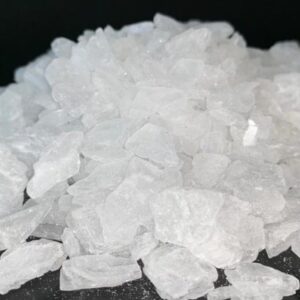
Buy Crystal Meth ( Methaphentamine )
Price range: €210.00 through €2,250.00 Select options This product has multiple variants. The options may be chosen on the product page Compare